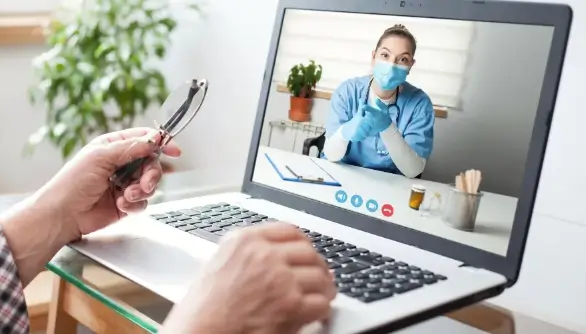
Smart devices are expanding healthcare access by reducing travel, wait times, and logistical hurdles. Wearables and home sensors enable ongoing monitoring for chronic conditions, while telehealth and at-home diagnostics offer urgent triage and care without clinic visits. Data interoperability and transparent privacy practices are essential to build trust and support timely interventions. Equitable design and culturally aware interfaces matter for diverse populations. The implications for patient autonomy and system efficiency merit closer examination as the field evolves.
How Smart Devices Remove Barriers to Care
Smart devices streamline access to care by reducing logistical and logistical barriers that traditionally delay or deter treatment. By enabling on-demand consultations, remote triage, and timely symptom checks, they expand equitable options for diverse populations. Privacy concerns and device interoperability influence adoption; transparent data practices and standardized interfaces enhance trust, speed, and freedom to pursue timely, patient-centered care.
Monitoring and Managing Chronic Conditions Remotely
Remote monitoring and management of chronic conditions leverage continuous data collection and timely feedback to patients and clinicians. Devices gather metrics such as heart rate, glucose, and blood pressure, enabling proactive adjustments in treatment plans. For individuals seeking independence, remote monitoring supports self-management while ensuring clinician oversight. Data-driven alerts flag deviations, reducing hospital visits and improving outcomes in chronic disease care.
Telehealth and At-Home Diagnostics: Faster, Better Access
Telehealth and at-home diagnostics are accelerating access to care by linking patients directly to clinicians and rapid testing outside traditional settings. This approach expands options for timely evaluation, reduces wait times, and supports proactive management.
Remote data sharing enables continuous monitoring, while AI symptom interpretation aids triage. Care remains data-informed, patient-centered, and oriented toward freedom to seek care on one’s terms.
Ensuring Privacy, Security, and Equitable Use of Devices
As access to care expands through telehealth and at-home diagnostics, safeguarding privacy, security, and equitable device use becomes a core design constraint.
The analysis highlights privacy preservation as essential for trust and adoption, while data protection measures reduce risk of breaches.
Equitable access requires transparent safeguards, culturally aware interfaces, and affordable options, ensuring all populations benefit without compromising safety or autonomy.
Frequently Asked Questions
How Do Smart Devices Differentiate Pediatric and Geriatric Needs?
Differentiating pediatric, geriatric needs, smart devices tailor interfaces, alerts, and feedback. Accessibility customization shifts font sizes, colors, and caregiver roles; user education emphasizes safety, consent, and practical use. Data-driven design prioritizes comfort, adaptability, and independence for all ages.
Can Devices Function Offline Without Internet Access?
Off the grid, devices can operate offline with local data processing, yet consequences surface: offline functionality may limit updates. Data privacy concerns persist, demanding transparent storage, access controls, and auditable logs for audiences seeking freedom and reliability.
What Costs Are Involved for Ongoing Device Maintenance?
Costs involve recurring expenses like subscription fees, software updates, and hardware replacements; battery maintenance is essential. Cost structures vary by device, usage, and support plans, with ongoing budgeting needed to sustain reliability and data security for autonomous operation.
See also: How Artificial Intelligence Supports Personalized Learning
How Is Informed Consent Handled for Home Monitoring?
Informed consent is obtained prior to home monitoring, with clear explanations of data collection and usage. Studies show 72% preference for opt-in data sharing. Emphasizes data privacy safeguards, revocable permissions, and ongoing transparency for a freedom-minded audience.
Do Devices Support Multilingual User Interfaces and Prompts?
Yes, devices typically support multilingual UI and multilingual prompts, enabling users to interact in preferred languages; this enhances comprehension, reduces errors, and promotes autonomy, though availability varies by model, platform, and regulatory region across manufacturers and healthcare settings.
Conclusion
Smart devices promise faster, equitable care, yet the data tell a nuanced story. They remove travel bottlenecks, enable remote monitoring, and streamline triage, while signaling a future of better outcomes and rising patient empowerment. Ironically, this accessibility hinges on privacy protections and robust interoperability—areas often underfunded or misunderstood. When devices speak the same data language and guard patient trust, care becomes reliably faster and more inclusive, not just technologically impressive, but genuinely patient-centered and data-driven.